What does AI SEO mean? Separate automation from AI visibility
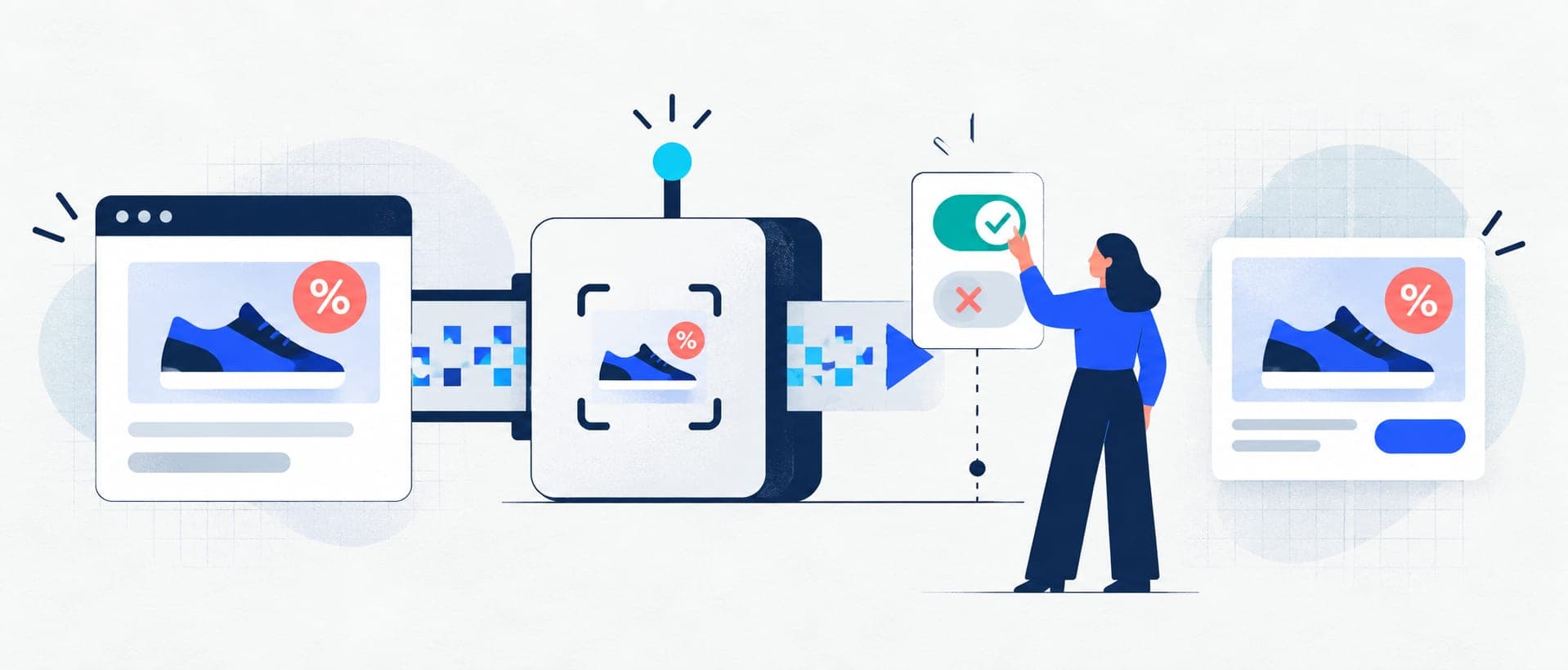
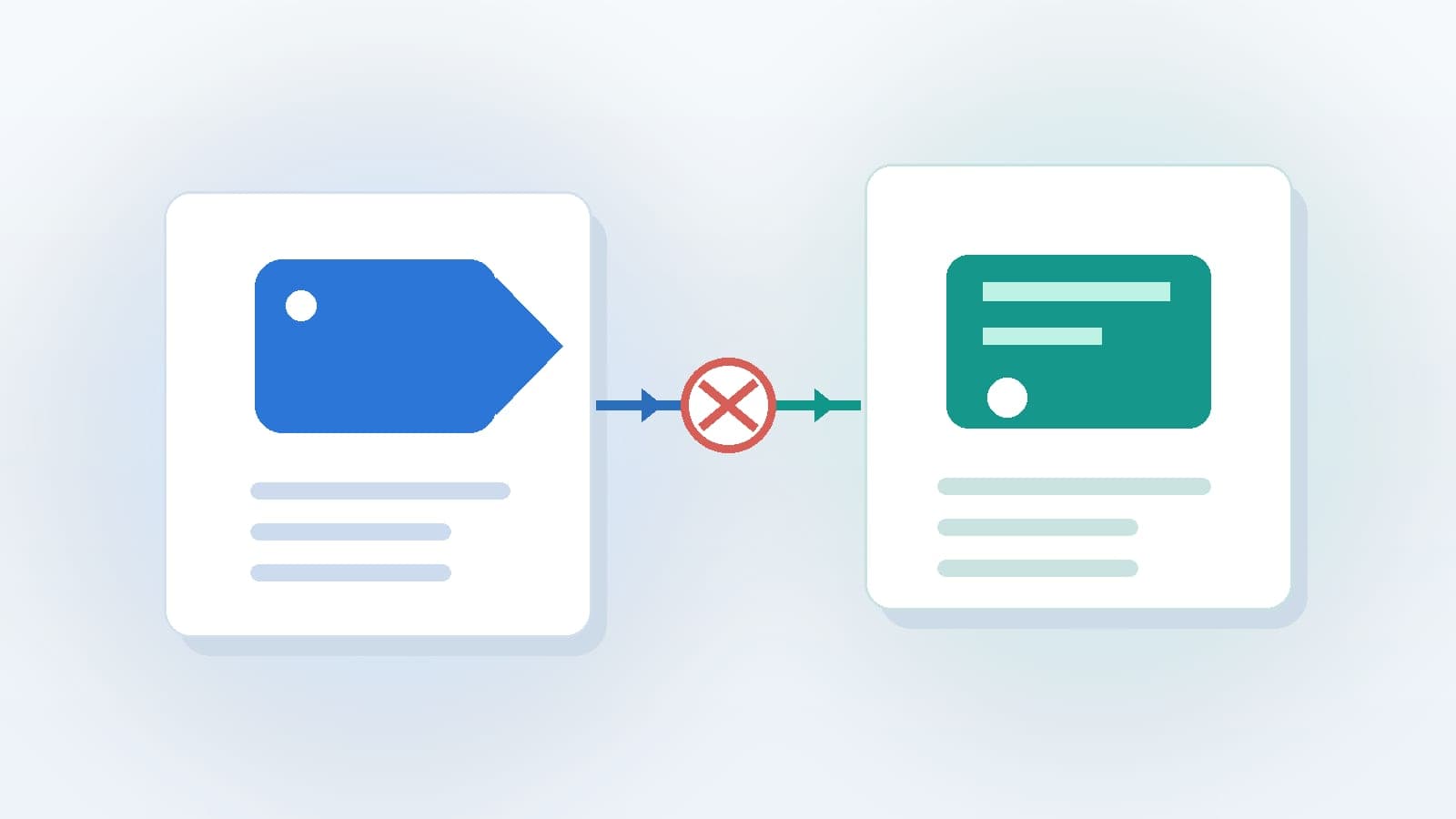
Two problems at one hypothetical retailer show what AI SEO can involve: producing useful content more efficiently and correcting inaccurate information in AI answers.
Practical writing on paid media, conversion, analytics, and AI visibility. No fluff, no thought leadership theatre.

Two problems at one hypothetical retailer show what AI SEO can involve: producing useful content more efficiently and correcting inaccurate information in AI answers.

A worked CRO example takes you from a conversion-rate calculation to a test brief, with practical checks for measurement, customer evidence and commercial value.

A UX audit should follow important visitor tasks across the website. Use reproducible findings to decide which problems deserve a fix, research or a test.

A long list of SEO warnings can hide the problems that matter. Assess access, search demand and commercial relevance before assigning the work.

Learn how to diagnose a website that attracts visitors but generates few enquiries, from traffic quality and form tracking to lead handling and commercial outcomes.

A repeated tag and two bidding actions for one purchase are different failures. Trace the order, identify the duplicate layer and verify the repair.

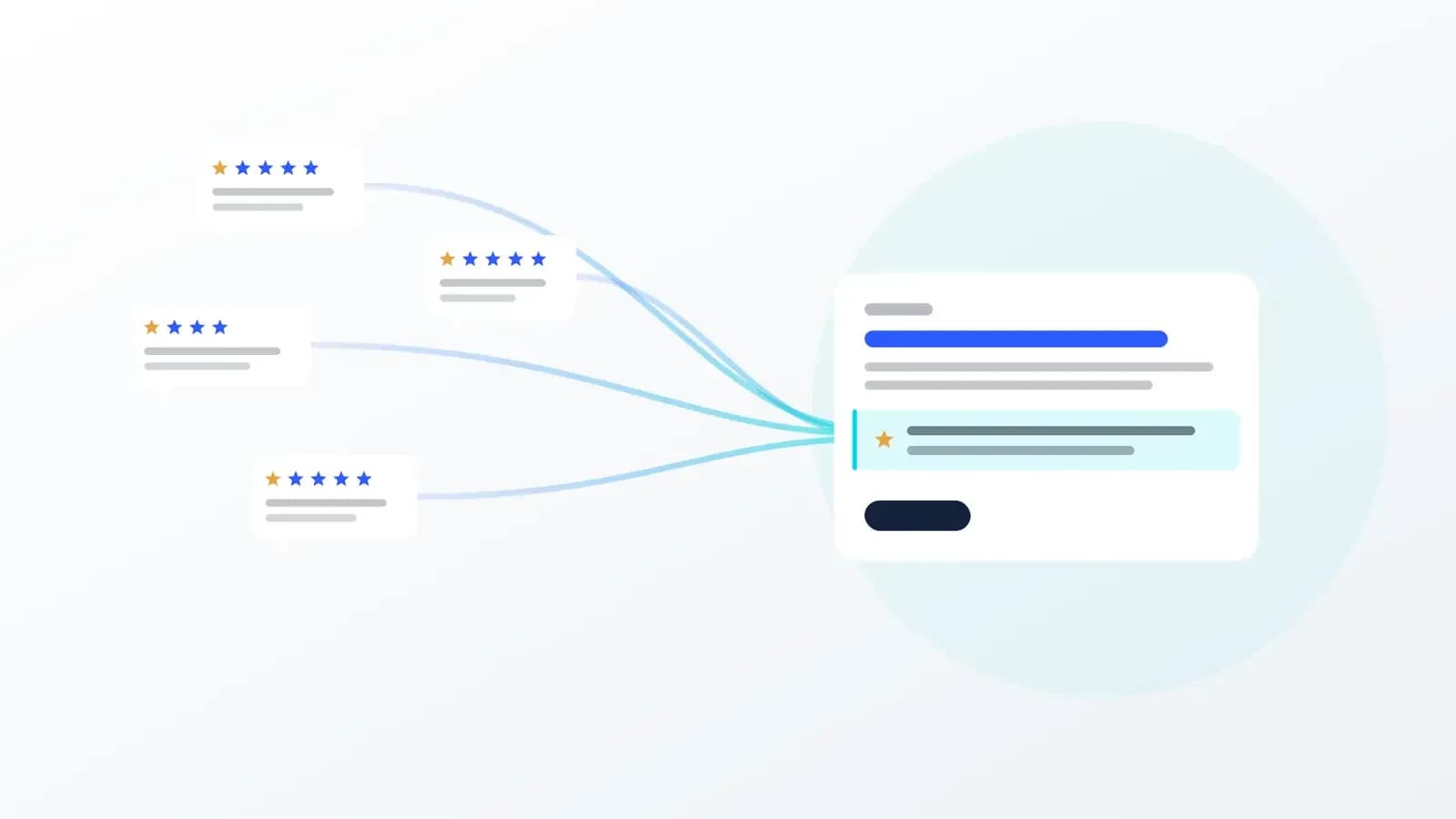
Google now condenses positive online reviews into short AI-written lines inside Search ads, with no editing and no documented opt-out. Here is how the feature works and what to check.

Google Ads in AI Mode is expanding internationally. Learn which markets qualify, how existing campaigns participate and what small businesses should measure.

Performance Max can source videos from approved online content. Review the permissions, ownership and commercial trade-offs before leaving the setting enabled.

Use Bing AI Performance, grounding queries and Topics Portfolio to turn citation signals into a commercially prioritised content backlog.

Getting product views but few cart additions? Learn how to diagnose the real problem, prioritize fixes and estimate the commercial value of improving your product pages.

A revenue gap can come from definitions or missing transactions. Reconcile individual orders before blaming attribution or changing the tracking setup.

Meta One bundles paid tools across Meta apps, but the value depends on your account and business needs. Compare the offer with the work you actually need done.

Compare Google Ads management fees, monthly minimums and service scope before deciding whether an agency, freelancer or consultant is worth hiring.

Google Ads is expanding high-value customer acquisition, retention goals and percentage multipliers. Learn what retailers should check before changing bidding.

ChatGPT recommendations cannot be guaranteed. Build eligibility, evidence and measurement around the buyer decisions your pages need to support.

Cheap form submissions can conceal weak pipeline. Trace acquired leads through qualification and sales before changing targeting or increasing budget.

Customers leaving when shipping costs appear? Learn how to diagnose checkout abandonment, improve delivery transparency and protect margins.

Google Ads now states that Learning status lasts no more than seven days, while bidding performance may take longer to stabilize. Learn which changes trigger the status and how to set a defensible evaluation window.

A sudden decline needs a timeline and a verified failure point. Use this diagnostic sequence before changing budgets, targeting or creative.

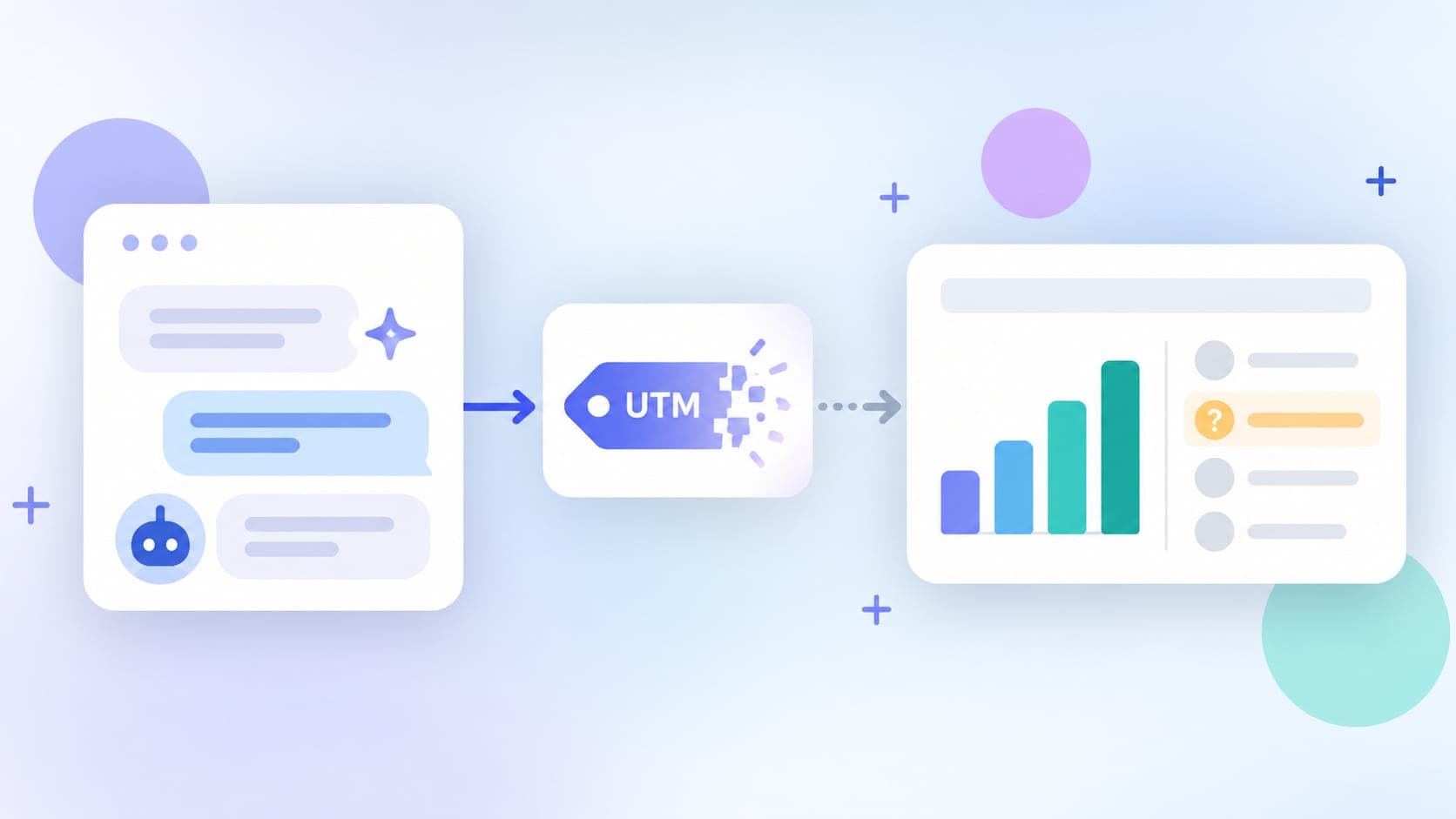
ChatGPT referral traffic appeared to fall sharply in October 2026. Learn how to investigate missing UTM attribution, compare Direct traffic and protect your AI search reporting.

Meta is switching product browsing on for existing ads unless advertisers opt out. Audit catalogue accuracy, post-click measurement and commercial impact before deciding.

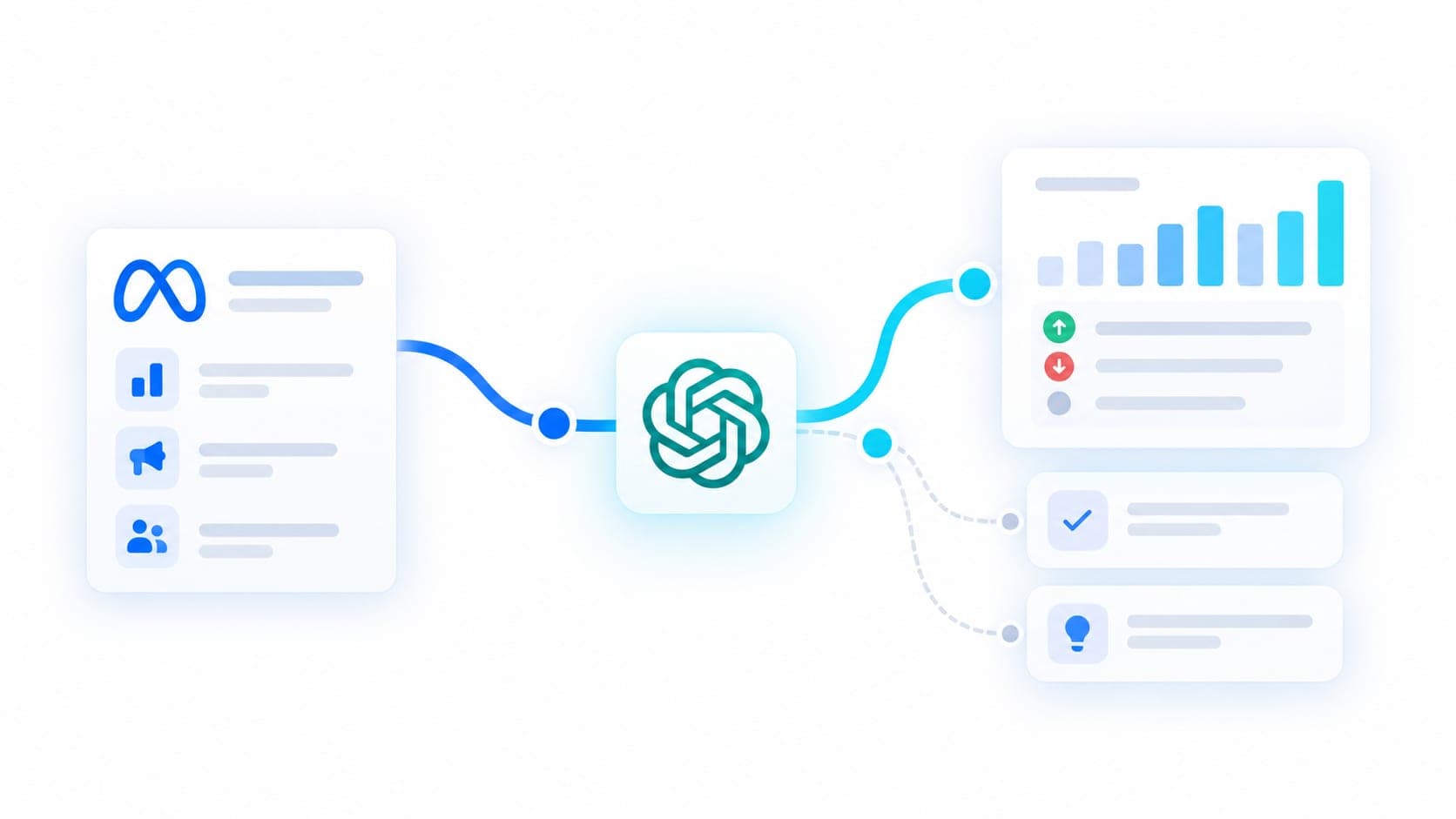
A real Meta Ads MCP reporting experiment, compared with Meta's native AI assistant. Where cross-platform analysis helps and how to protect client data.
Meta Pixel is due to add on-device conversion measurement from November 12, 2026. Here is what the notice means, what remains unclear and what advertisers should check now.

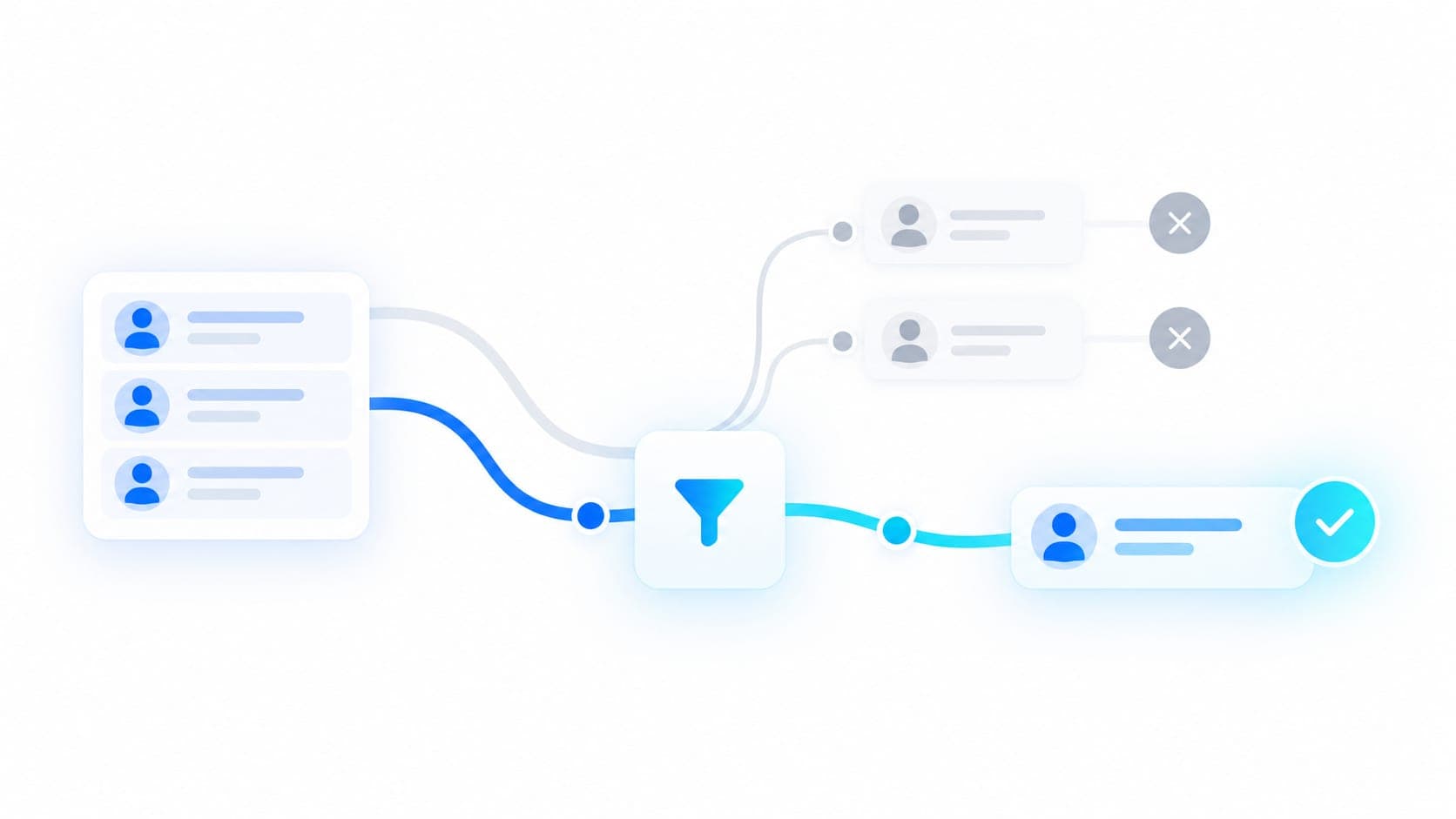
Qualifying responses can create a cleaner Google Ads lead signal. Learn how to audit the form logic, CRM delivery and downstream value before bidding uses it.

Meta introduced Ads Super Burst, First Impression Ads, expanded Reels Trending Ads and Aggregated View Time. Assess their availability and commercial value.

Google Ads API v26 adds Search Lift reporting. Learn how to interpret incremental searches, statistical uncertainty and the limits of measuring downstream business impact.

Google Ads now lets advertisers prioritize eligible networks and set spending allocations. Learn how the controls work, which campaigns qualify and what changes in February 2027.

Google Ads has added video impressions to conversion paths and introduced a Performance by stage card. Learn how to interpret the metrics without overstating advertising impact.

Google's October 12 automated promotions change affects eligible Search and Performance Max campaigns. Learn when to leave the feature enabled, use manual promotions or opt out.

A practical guide to reviewing AI Max-generated ad copy, checking landing-page claims, setting brand-safe text guidelines and monitoring live assets without confusing automated creative performance with causal evidence.

Learn how Performance Max creative A/B testing works, how to structure control and treatment assets, which metrics matter, and why creative experiments are not the same as incrementality studies.

Could Google Playground help brands create interactive advertising experiences? Explore practical marketing use cases, platform restrictions, measurement strategies, and commercial risks.

Frequent price and stock changes can trigger Merchant Center disapprovals. Learn how to diagnose feed mismatches, manage automatic updates, and protect Shopping revenue.

A campaign can report excellent ROAS while adding little incremental profit. Google's expanded Conversion Lift access creates an opportunity to test that assumption and make smarter budget decisions.

AI impressions and citations tell you whether your brand is being surfaced not whether AI search is driving growth. Here’s a practical framework for measuring what actually matters.
The keywords you add to your account matter. The keywords you exclude matter just as much, and they are the difference between a budget that compounds and one that leaks.
A commercially prioritised ecommerce website checklist covering mobile UX, product discovery, product pages, checkout, GA4 tracking and CRO tests.
Most marketing reports track everything and decide nothing. The skill is not measuring more. It is choosing the few numbers that change what you do next.
Quality Score is Google's way of charging you more when your ad is less relevant. Fix the relevance and the cost takes care of itself.
Analytics shows you that people leave. It never shows you why. Watching real sessions does, and it is the cheapest research you will ever run.
Most underperforming accounts fail on the same handful of things. Fix these before you touch bids or creative.
You do not need to be on every channel. You need the two or three that reach your buyer, done properly and measured honestly.
The tool is the easy part. The hard part is having enough traffic to get an honest answer. Sort that out first.
A plain walkthrough of your first campaign, and the beginner mistakes that quietly burn the budget.
No weekly filler. Just what we learned this month and what it changed.