Why ad performance suddenly drops: a structured diagnosis
A practical investigation sequence for distinguishing a real commercial decline from incomplete or broken measurement.


- Verify the business outcome and find the first changed stage before altering campaigns.
- Connect account changes, website releases and commercial events in one incident timeline.
- Repair reproducible failures and assess recovery after relevant conversion delays.
Ad performance can fall suddenly because measurement changes, delivery is restricted, auctions become more expensive, demand shifts or the website converts less effectively. Locate the first stage that changed and verify the commercial outcome before intervening. A lower reported ROAS alone cannot identify the cause.
First distinguish an emergency from a reporting question. A broken checkout or unavailable product can justify limiting spend immediately. A recent conversion total affected by delay requires a different response.
The purpose of this guide is to establish an investigation order. It does not assume the same explanation applies to every advertising platform or campaign.
Define the decline precisely
Write down the metric, affected scope, onset and business exposure. Replace "performance is down" with a statement that another person can verify.
Identify whether the change affects all campaigns, one market, a device group, one product or one destination. Use consistent dates, time zones and currency.
Separate volume from efficiency. Lower sales with stable conversion rate may follow lower traffic. Stable traffic with fewer paid orders points to a later stage. A revenue drop with stable order count can reflect product mix or value.
Check the underlying business record before concluding that advertising caused the decline. A reporting interruption and a real order decline can occur at the same time.
Locate the first changed stage
Trace delivery, visits, customer engagement, checkout and verified outcomes in order. Find the earliest meaningful change, then test explanations that could cause it. Later metrics inherit failures that happened upstream, so begin where the evidence first diverges.
First changed stage | Candidate explanation | Next evidence |
|---|---|---|
Sessions or purchases from one channel | Reduced traffic, weaker conversion, source classification or tracking change | GA4 Session source / medium and campaign breakdown, then the affected platform's delivery reports and change records |
Impressions or spend | Eligibility, budget, targeting, account issue or demand | Delivery status and change history |
Cost for comparable traffic | Auction pressure or traffic mix | Segment-level costs and auction evidence |
Clicks becoming visits | Destination, loading, redirect or measurement issue | Live link tests and page-arrival evidence |
Product engagement | Message mismatch, audience mix or offer | Landing pages and behavioural evidence |
Checkout completion | Payment, delivery, stock or technical failure | Test orders and payment records |
Reported conversions only | Event, attribution, processing or reporting change | Backend orders and tag diagnostics |
Channel-level change identifies the affected scope; the remaining rows locate the failure within that scope. These are hypotheses, not diagnoses. Choose the next check based on the affected segment rather than treating the table as a list of universal fixes.
Start with a timeline
Build a short incident timeline containing campaign changes, site releases, consent updates, stock problems, promotions and price changes. Record when the metric changed, not just when someone noticed it.
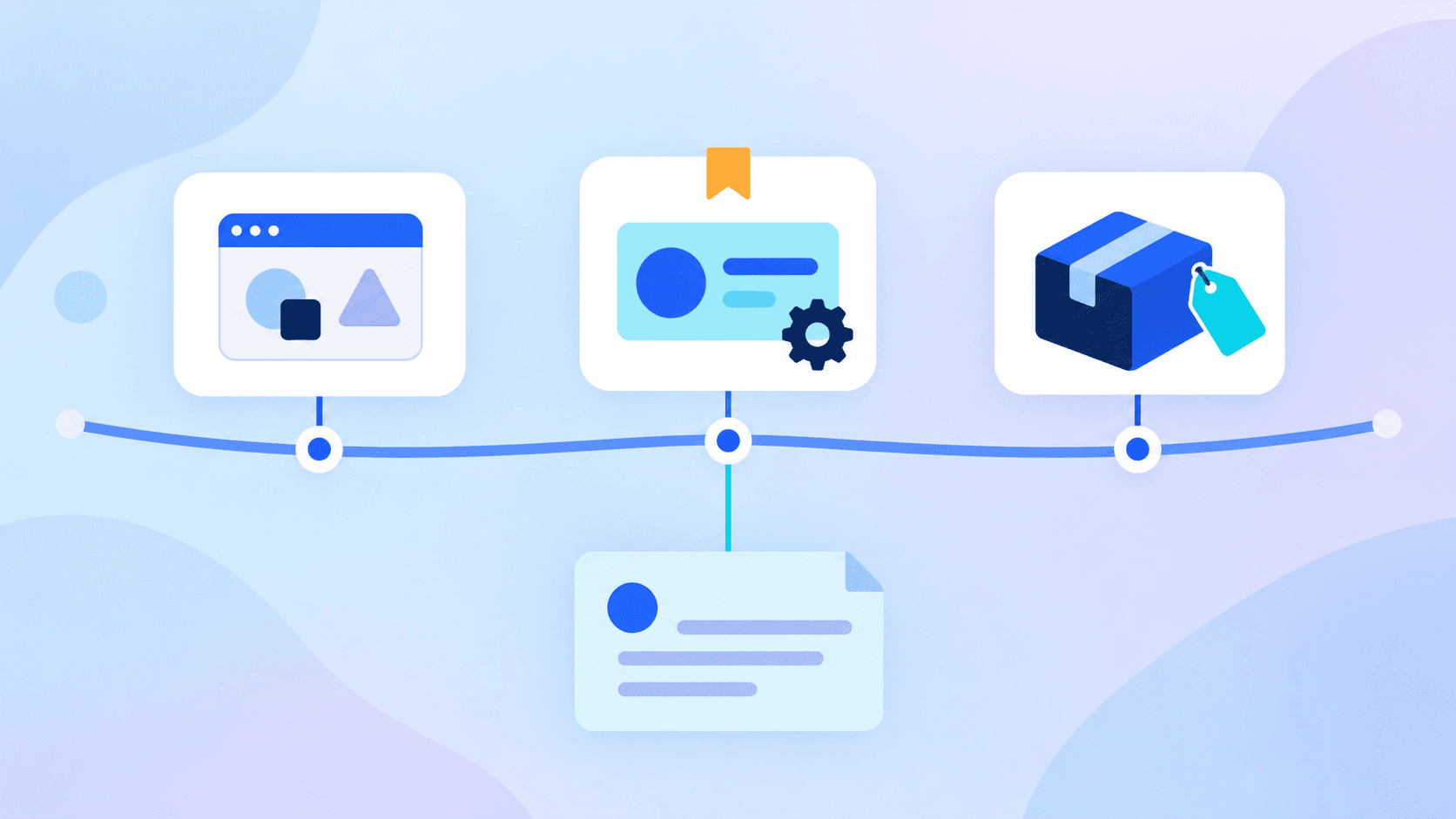
For a hypothetical example, suppose GA4 shows a decline in sessions or purchases from Paid Search while other channels remain stable. Use the Traffic acquisition report to narrow the change by Session source / medium and Session campaign before choosing which advertising account to investigate. A channel grouping can contain traffic from more than one platform.
If the affected traffic comes from Google Ads, open Change history for the relevant campaigns and dates. Compare budget, bidding, targeting or campaign-status changes with the onset of the decline and the movement in impressions, clicks and conversions. If Google Ads clicks remain stable while GA4 sessions fall, investigate redirects, tagging, consent and page loading before assuming delivery caused the drop.
For another advertising platform, follow the same sequence: identify the affected source and campaigns, then compare available account activity records and delivery reports with the incident timeline. If several channels decline together, prioritise checks of shared landing pages, checkout and measurement.
Include actions by automated systems and external tools where visible. Then check website and commercial change logs, which advertising history cannot capture.
A nearby change is a candidate cause. Timing alone is insufficient proof. Confirm a plausible mechanism and look for the affected population before reversing a release.
Check measurement and conversion delay
Compare reported conversions with orders, payments or CRM outcomes over a sufficiently mature period. Recent activity may not have had time to generate or report all outcomes.
Google's performance fluctuation guide includes conversion tracking and delay among possible drivers. A conversion-input problem can also affect delivery in campaigns using conversion-based optimisation.
Inspect event presence, value, currency and destination before altering the campaign. A value field changing from an order total to a smaller amount can look like a sudden efficiency collapse.
Keep commercial and measurement recovery separate. Corrected reporting may increase reported conversions without creating any additional sales.
Check delivery before rewriting creative
Review account payment status, policy eligibility, destination availability, budgets, dates and targeting. Confirm that the advertised product and destination remain valid.
A campaign spending less because it cannot serve needs a different repair from one spending normally into weaker demand.
Review recent goal and target changes as part of the timeline. If the intended outcome changed, historical CPA or ROAS may no longer be comparable.
Do not make every setting more permissive simply to restore spend. Delivery is useful only when the resulting traffic can meet the commercial objective.
Investigate auction pressure and demand
Higher costs can come from competition, changes in inventory or a different mix of queries and audiences. Establish whether the comparison concerns similar traffic before blaming auction prices.
Segment the decline by market, device, product and campaign type. Compare the affected group's own baseline and note changes in its share of total spend.
Demand can also move independently of your settings. A promotion ending, seasonal change or product trend can alter the available opportunity.
External indicators can support an explanation, but should not replace customer and business data. A broad search-interest movement does not prove why one account declined.
Examine creative and message continuity
Creative wear, audience mix and an offer becoming less attractive can all be plausible explanations. Each requires evidence.
Review whether the ad still makes a clear promise that the destination immediately confirms. Check price, stock, variant, delivery and promotional claims against the current page.
Compare downstream outcomes by creative where the data supports it. A lower click-through rate with stable qualified sales is a different problem from cheap clicks that no longer reach checkout.
For a controlled creative decision, our guide to Performance Max creative A/B tests explains why an experiment needs a defined intervention and outcome.
Test the website as a customer
Open the live destination on the important devices and browsers. Follow the full route through product selection, delivery and payment.
A page can load while a variant selector or payment option fails. Check the actual interaction rather than relying on a homepage uptime indicator.
Inspect delivery eligibility, stock and unexpected charges. These can reduce completion without any change to media targeting.
Our ecommerce website checklist helps organise the review. Use session replay to investigate specific friction patterns while respecting the applicable data-handling requirements.
Use platform explanations as evidence
Google's Explanations documentation describes tools for investigating significant performance changes where supported. Availability and the information shown depend on the campaign and comparison.
Treat an explanation as a useful lead. Cross-check it against the timeline and business result.
A platform can describe an account-level change without showing a payment-provider failure or an operational delay. Your investigation needs evidence outside the advertising account too.
Avoid presenting an automated explanation as definitive causal proof. A controlled test or reproducible failure provides stronger evidence for the specific mechanism.
Run a bounded investigation
Sudden performance decline workflow
- Confirm the incidentRecord the affected metric, segments, onset and commercial cost. Separate urgent customer failures from reporting uncertainty.
- Preserve the baselineSave relevant reports, settings and deployment information. Use comparable periods and account for outcome maturity.
- Find the first changed stageTrace delivery through verified sales or qualified leads. Choose the earliest transition with a meaningful deviation.
- Rank the explanationsConnect each hypothesis to timing, affected scope and an observable mechanism. Assign an owner and the next check.
- Apply one targeted repairFix a reproducible defect or run a controlled intervention. Avoid simultaneous changes across the whole acquisition system.
- Review recoveryCheck the repaired stage and the final business outcome. Record uncertainty and continue monitoring long enough for relevant conversions to mature.
A hypothetical incident
Consider a hypothetical retailer whose paid orders decline after a website release. This is a hypothetical example, not a client result.
Advertising delivery and page arrivals remain stable. Product engagement also looks similar, but mobile checkout completion falls. Controlled testing reproduces a payment failure on the affected route.
The first response is to repair or route around the payment defect and manage exposure while the fix is verified. Replacing all creative would not address the observed mechanism.
Now consider another account where paid orders remain stable but reported conversion value falls. That pattern points first towards measurement or reporting, although the event payload and business data still need checking.
Decide when to pause, test or wait
Pause or restrict the affected route when customers cannot complete the action, the offer is invalid or continued spend has a verified commercial failure.
Run a controlled test when the route works and a plausible commercial hypothesis needs evaluation. Define the comparison, success metric and stopping condition in advance.
Wait for routine data maturity when the only issue is incomplete recent reporting and no customer or delivery defect is evident. Waiting should have a review date and evidence requirement.
Avoid a fixed waiting rule for every incident. The cost of delay and the strength of the evidence should determine urgency.
Close the incident with a prevention measure
Record the failure, affected scope, repair and evidence of recovery. Add a practical prevention check, such as a controlled checkout test after releases or an alert for missing purchase events.
If no cause is confirmed, say so. Keep the strongest remaining hypotheses and the observations that would distinguish them.
The useful outcome is a defensible next action and a better monitoring rule. A confident story unsupported by evidence does not improve the next budget decision.
Frequently asked questions
Should I increase budget when conversions suddenly fall?
Not before confirming the outcome signal and buying journey. More spend can increase exposure to a verified website or offer problem.
Does a performance drop prove the algorithm changed?
No. Account settings, measurement, demand, auctions and the website can all change results. Establish the evidence before assigning a cause.
How long should I wait before judging recovery?
Use the relevant conversion and reporting delays, plus the urgency of any customer failure. Define a review point rather than relying on a universal number of days.

Sima Damar Beygu
Founder of ConversionNest. 10+ years in growth marketing, managing 300K euro monthly media budgets and scaling acquisition across 15+ markets. Google and Meta certified.
Sima on LinkedIn
Meta product browsing may change where ad clicks land
Meta is switching product browsing on for existing ads unless advertisers opt out. Audit catalogue accuracy, post-click measurement and commercial impact before deciding.
Google Ads Lead Form Qualifying Responses: Audit the Bidding Signal
Qualifying responses can create a cleaner Google Ads lead signal. Learn how to audit the form logic, CRM delivery and downstream value before bidding uses it.

Meta's new brand ads: what growth teams should test
Meta introduced Ads Super Burst, First Impression Ads, expanded Reels Trending Ads and Aggregated View Time. Assess their availability and commercial value.