Homepage or landing page: where should your traffic go?
The page a visitor lands on decides more of your campaign result than most founders expect, and the homepage is rarely the best choice for paid traffic.

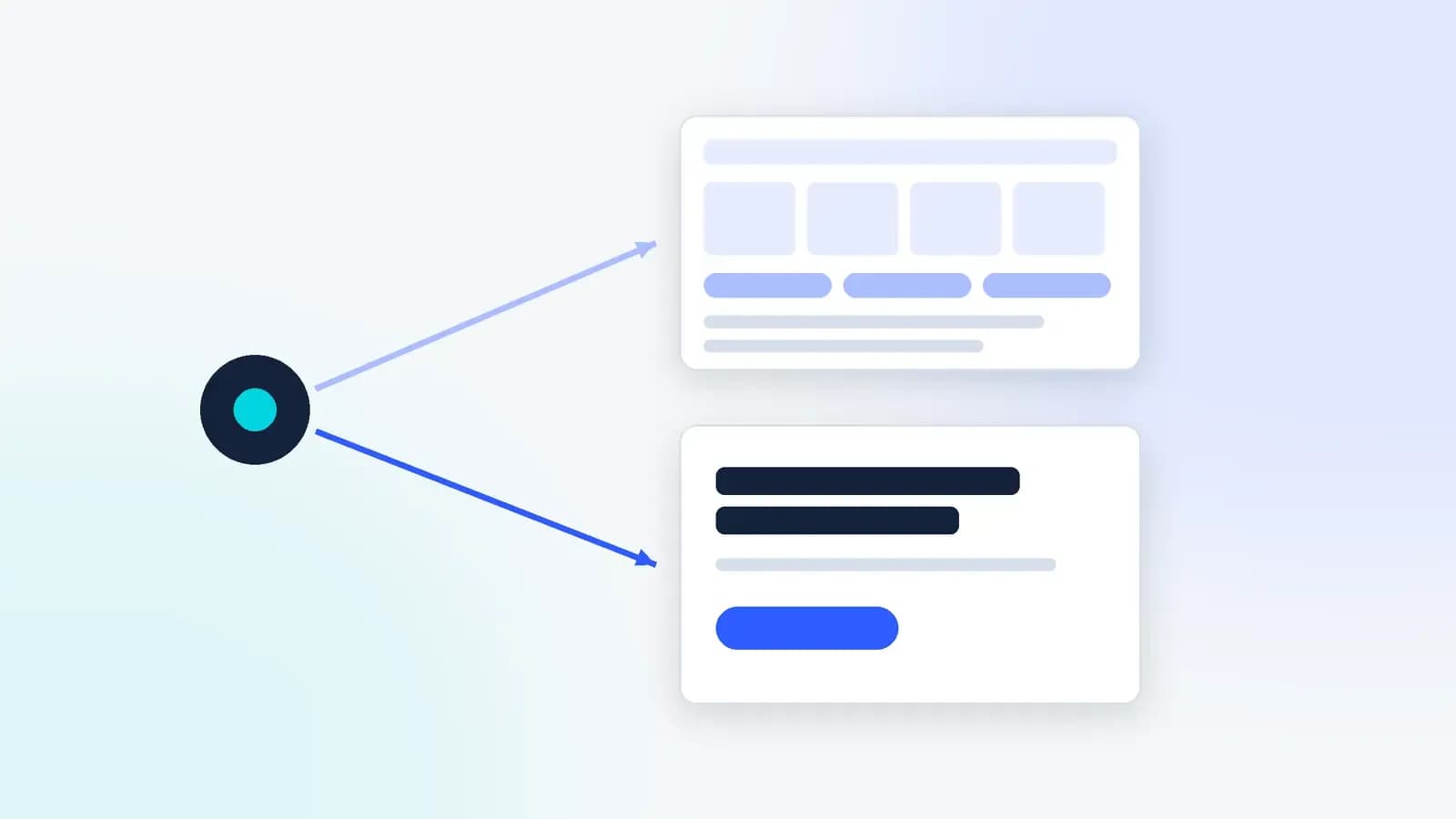
- Send paid and campaign traffic to a page built for that one offer and audience, and brand or direct traffic to your homepage.
- The page's headline should repeat the promise of the ad, email or link the visitor clicked.
- Performance Max can send clicks to pages you did not choose, so check its Final URL expansion setting and exclude pages that should never receive ad traffic.
- A strong service page is often enough. Build a dedicated landing page when one campaign has enough traffic to justify it.
Send traffic that arrives with one specific need, such as a paid search ad or a campaign email, to a page built for that need. Send people who already know your name, such as brand searches and direct visits, to your homepage. A homepage has to speak to every visitor. A landing page speaks to one, so it can answer their question faster and ask for one action.
There is a cost. Every extra page needs writing, tracking and updating, and a landing page with too little traffic tells you nothing. For most founders, the commercial question is simpler than it sounds: for each source of paid or campaign traffic, does the page it lands on continue the exact conversation the visitor started?
What each page is for
Most sites have three kinds of page that could receive traffic. They do different jobs.
| Homepage | Service or product page | Dedicated landing page |
|---|---|---|---|
Main job | Orient every visitor | Explain one offer in full | Turn one campaign's visitors into one action |
Audience | Everyone | People interested in that offer | People from one campaign or source |
Actions on the page | Many: menus, links, several offers | A few | Usually one |
Best for | Brand search, direct visits, press | Non-brand search, SEO, some ads | Paid campaigns, launches, specific offers |
Upkeep | Ongoing | Ongoing | Per campaign |
The distinction matters most for paid traffic. You pay for each click, so a page that makes the visitor look for their answer costs you money on every visit.
Which traffic should go where
Match the page to what the visitor already knows and wants when they click.
Traffic source | What the visitor wants | Send them to |
|---|---|---|
Brand search ("ConversionNest") | To find you, or a specific page | Homepage, or let sitelinks do the work |
Non-brand search ad ("payroll for restaurants") | An answer to that exact need | Matching service page or landing page |
Paid social to new audiences | To understand the offer quickly | Dedicated landing page |
Email to existing customers | The thing the email mentioned | The specific page, never the homepage |
Press or a partner mention | To learn who you are | Homepage or about page |
These are ConversionNest's recommendations based on how the pages differ, not rules from any platform. Test them against your own data.
Keep the promise the click made
The page should continue the message that earned the click. Monash University's marketing dictionary defines message match as how well the landing page headline matches the call to action that was clicked. For a search ad, that means the ad headline.
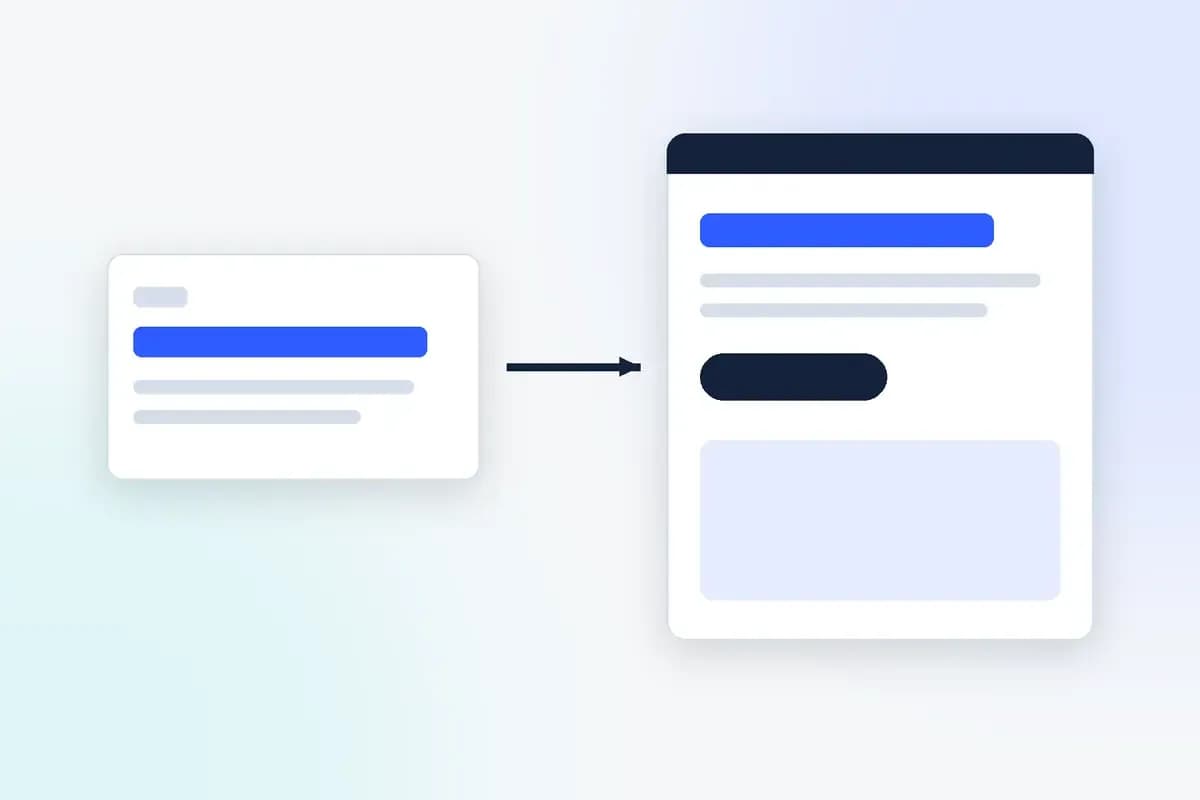
Google uses a related idea. Its landing page experience documentation says higher rated pages usually have text that matches what the person searched for. If your ad says "Payroll for restaurants, set up in a day" and the page says "Finance tools for growing businesses", the visitor has to work out whether they are in the right place. Many will not bother.
Check where Google is actually sending your clicks
You may not control the landing page as much as you think. Google's help page on Final URL expansion states that the feature is turned on by default for Performance Max campaigns. When it is on, Google can replace your final URL with another page on the same domain that it judges more relevant, and it can serve traffic to any page you have not excluded.
That can help, and it can also send paid clicks to your careers page or a blog post. Google notes that turning the feature off can help prevent your campaign from using unexpected URLs. At minimum, exclude pages that should never receive ad traffic, and review which landing pages actually received clicks. Our guide to AI Max text customisation previews covers the related question of what ad text Google writes from those pages.
A worked example: one startup, two destinations
Consider a hypothetical payroll startup that sells to restaurants, retailers and accounting firms. These figures are hypothetical, not a client result.
The startup runs a search campaign on "payroll software for restaurants". At first, every ad points to the homepage, which opens with "Payroll for every business" and three audience tabs. Restaurant owners have to find their tab, then find the demo button.
The team builds one page for restaurants instead. The headline repeats the ad, the page shows a restaurant rota example and a short demo form, and there are no other offers on it.
| Clicks | Assumed demo request rate | Demo requests |
|---|---|---|---|
Homepage | 1,000 | 2% | 20 |
Restaurant landing page | 1,000 | 3% | 30 |
The improvement rates are assumptions to show the arithmetic, not a forecast. The point is the structure: the same budget buys the same clicks, and the page decides how many become demos. Compare the two properly before deciding, as our guide to conversion rate optimisation explains.
When you do not need a separate landing page
A dedicated landing page is not always the answer.
- Low traffic: if a campaign brings a few dozen clicks a month, you will not learn whether a new page works better. Improve the existing service page instead.
- One offer, one audience: if your business sells one thing to one kind of customer, a clear homepage may already work as a landing page. Run a five-second test to check.
- No time to maintain it: a landing page with an expired offer or an old price does more harm than sending people to the homepage.
- SEO pages: pages built to rank in search work best as permanent, detailed service pages, not short campaign pages.
How to decide in one afternoon
Match your traffic to the right page
- List your traffic sourcesFrom your analytics, list the five sources that bring the most visits or cost the most money. Allow 20 minutes.
- Note where each one landsFor each source, record the landing page. For Performance Max, check which pages actually received clicks. Allow 20 minutes.
- Compare the promise and the pagePut the ad, email or link text next to the page headline. Mark each pair as matching or not. Allow 30 minutes.
- Fix the biggest mismatch firstStart with the source that costs the most. Point it at a better existing page, or build one page for it if none fits. Allow two to four hours.
- Exclude pages that should not get adsAdd your about, careers, privacy and blog pages as URL exclusions in Performance Max if expansion is on. Allow 10 minutes.
Our recommendation: point every paid campaign at the most specific page you already have, build a dedicated landing page only for the campaign that spends the most, and keep the homepage for people who already know your name. Before you launch, run through our website checks before spending on Google Ads.

Sima Damar Beygu
Founder of ConversionNest. 10+ years in growth marketing, managing 300K euro monthly media budgets and scaling acquisition across 15+ markets. MSc in Digital Marketing from University College Dublin. Google and Meta certified.
Sima on LinkedIn
Why your customer acquisition cost is rising, and which part to fix
A worked example shows how to split a CAC increase into price, conversion, new customer share and tracking before you cut spend or change campaigns.
Your ROAS looks good, so why is profit not growing?
Reported ROAS can improve while contribution falls. Audit the value behind the ratio before rewarding a campaign with more budget.

How long does SEO take to show results?
Google says SEO changes can take hours or months. Split the work into types, set one signal per stage and review it on a fixed date.